Travel to Transnistria
The country that doesn't exist
A strip of land along the Dniester with its own border, flag, parliament and currency, recognised by no other state. Lenin still stands before the House of Soviets and the hammer and sickle still flies. We travel here with a local partner who lives in Tiraspol, to meet people rather than look at a showcase.
Plan my Transnistria journeyTransnistria up close
From Chișinău to Tiraspol
Transfer from Chișinău with our local partner, who helps you through the checkpoint formalities. A first walk down 25th of October Street: the House of Soviets, Lenin, the Supreme Council and the war memorial with its T-34 tank.
Tiraspol as locals live it
The central market, lunch in a Soviet-style canteen, the Kvint distillery and its brandies, the Dniester embankment, and long conversations with someone who grew up here.
Bender & Noul Neamț
The Ottoman fortress of Bender on the Dniester and the town's memories of 1992, then the white walls and golden domes of Noul Neamț monastery before returning to Chișinău.
Moldova & Transnistria
Chișinău
The Moldovan capital, its parks, markets and Soviet modernist architecture, and a first taste of Moldovan wine.
Orheiul Vechi & Cricova
The cave monastery of Orheiul Vechi above its river bend, then the underground wine city of Cricova and its kilometres of cellars.
Transnistria
Three days with our local partner: Tiraspol and its Soviet monuments, the Kvint distillery, Bender fortress, Noul Neamț monastery and village life in the countryside.
Gagauzia or wine country
The Turkic-speaking region of Gagauzia around Comrat, or the cellars of Măleștii Mici and the wineries of the south.
Departure
Transfer to Chișinău airport, or extend your stay in Moldova.
Three ways to discover Transnistria
The essentials
A day from Chișinău: Tiraspol's monuments and the fortress of Bender.
Transnistria up close
Our signature journey: time to sleep in Tiraspol, see daily life and talk with the people who live here.
Moldova & Transnistria
Chișinău, Orheiul Vechi, the great wine cellars and three days in Transnistria.
Activities to add to your journey
Choose the experiences that suit you: we fit them into your itinerary.
Kvint brandy tasting
The distillery founded in 1897, symbol of Tiraspol, and its aged brandies.
The fortress of Bender
An Ottoman citadel of the 16th century on the banks of the Dniester, with its ramparts and museum.
Noul Neamț monastery
White walls and golden domes in the village of Chițcani, and a bell tower with a view over the plain.
A Soviet-style evening
Dinner in a retro restaurant, then a night walk past the illuminated monuments of 25th of October Street.
Trolleybus and market
Ride an old trolleybus and browse the central market, where the Transnistrian ruble changes hands.
Parade days
Around 2 September, Independence Day fills Tiraspol with parades and celebrations: an extraordinary sight.
The embankment at sunset
A walk along the river in Tiraspol, from the park to the bridge, as the city comes out for the evening.
Summer on the river
In the warm months, the people of Tiraspol gather on the Dniester's beaches and terraces.
Village life
Visit a village household, its vegetable garden and its cellar, far from the monuments of the capital.
Homemade wine and cheese
Taste the wine, cheese and preserves of a family farm.
Monasteries of the plain
Small Orthodox churches and monasteries scattered among fields and orchards.
Memories of 1992
The memorials of Tiraspol and Bender, and the story of the 1992 war told by those who lived through it.
Soviet heritage
Mosaics, statues and buildings that disappeared almost everywhere else after 1991.
The Transnistrian ruble
A currency used nowhere else, with its famous plastic coins: a souvenir in itself.
Lunch in a stolovaya
Borscht, pelmeni and kompot in a Soviet-style canteen, as in the 1980s.
Home cooking
Mămăligă, plăcinte and sarmale: share a meal with a local family.
Souvenirs from another era
Badges, postcards and Soviet memorabilia at the market and in small local shops.
Activities depend on the season and the weather, and are booked on request.
In Tiraspol and beyond
City hotels
Comfortable hotels in central Tiraspol, a short walk from the monuments and the river.
With local hosts
Family-run stays in Bender and the villages, chosen by our partner, to live as locals do.
In Chișinău
Before or after Transnistria, hotels in the Moldovan capital, around an hour and a half from Tiraspol.
Tailor-made or in a small group
Tailor-made
Your dates, your pace: a short escape from Chișinău or a longer journey through Moldova. We adapt every stage with our partner on the ground.
Small group
Share Transnistria with a small group of curious travellers, guided by someone who lives there.
A Zoom briefing with our team
A member of our team meets you on Zoom to answer your questions and prepare your trip: border formalities, money, what not to photograph and local customs.
Travelling with someone who lives there
Traveling means both: receiving and giving. In Transnistria we work directly with a local partner from Tiraspol, without intermediaries. You meet people rather than a showcase, and what you spend stays with the families who welcome you.
Practical information
- Entry: no visa is needed for Transnistria itself, but you register at the checkpoint and receive an entry slip to keep until you leave. Your passport is not stamped. Check the visa rules for Moldova, which you cross to get there.
- Climate: late spring and early autumn are the most pleasant. Summers are hot, winters cold and grey.
- Money: the Transnistrian ruble is the only local currency and foreign bank cards generally don't work. Bring euros or Moldovan lei in cash to exchange on arrival.
- Safety: because of the war in Ukraine, several governments advise against travel to Transnistria and the Ukrainian border is closed. We only travel via Moldova, follow the situation daily with our partner and tell you honestly before you book. Check your government's advice and your insurance cover.
Your questions about Transnistria
Is Transnistria a country?
It broke away from Moldova in the early 1990s and has its own government, army and currency, but it is not recognised by any UN member state. Internationally, it is part of Moldova.
When is the best time to go?
May to June and September to October. Around 2 September, Independence Day brings parades and celebrations to Tiraspol.
Can I combine it with Moldova?
Yes, it is the natural way to travel: you arrive through Chișinău, and our 8-day journey combines Moldova's monasteries and wine cellars with Transnistria.
Is it safe to travel to Transnistria?
Daily life in Tiraspol is calm, but the region lies next to the war in Ukraine and many governments advise against travel. We only confirm a departure when our local partner tells us conditions allow it, and we tell you honestly.
Can I take photos?
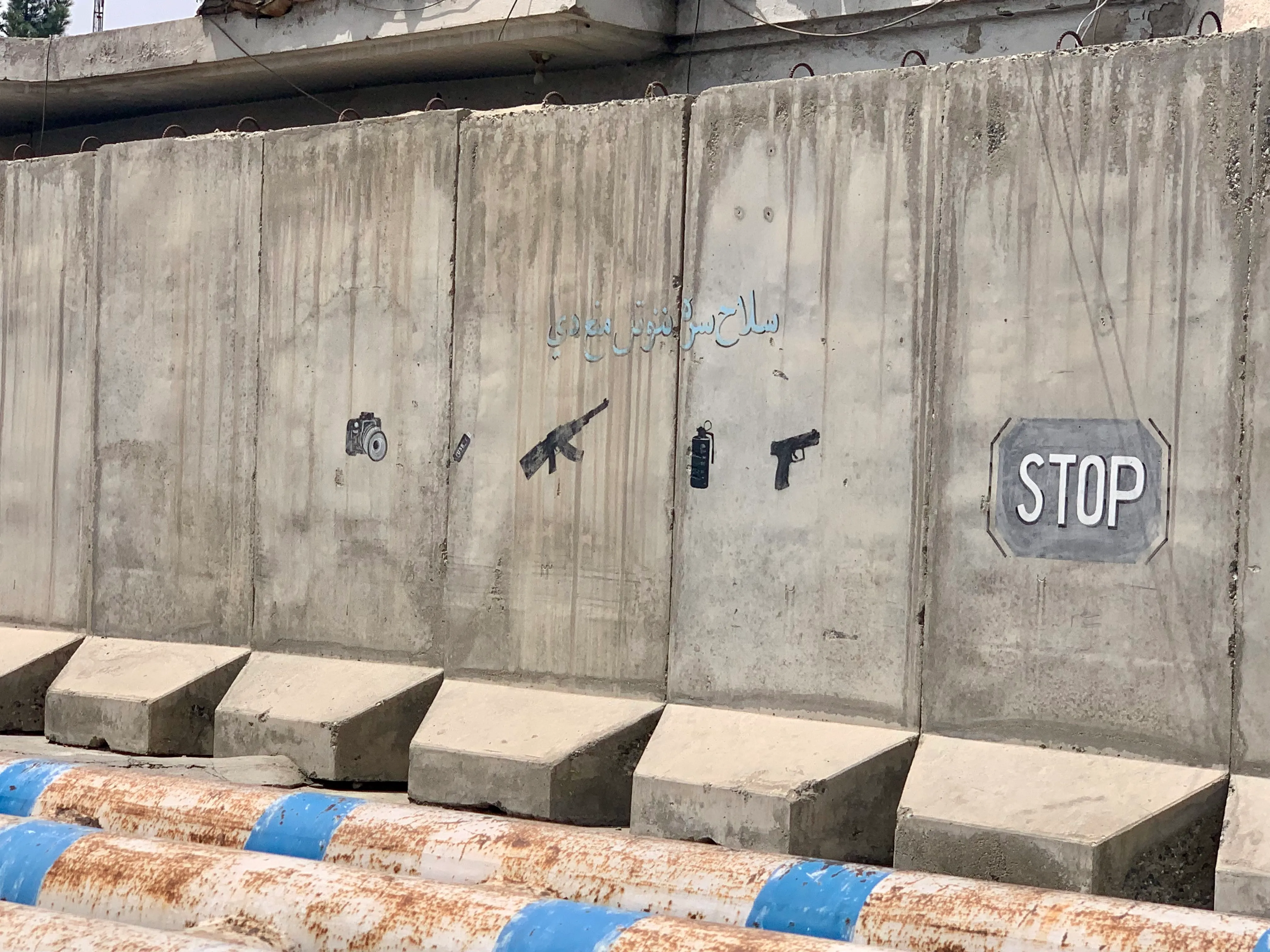
Yes, almost everywhere, but never of the checkpoints, military sites or soldiers. Your guide will tell you when to put the camera away.
Other skies to discover
Ready to discover Transnistria?
Tell us your dates and how much time you have: a day from Chișinău or a week in Moldova. We will build your journey with our partner on the ground.
Talk to our teamFollow the latest travel destination updates from Other Skies